
Leading Selection Of Demolition Tools For Heavy Construction
Equip your team with the best demolition tools designed for durability and high performance on tough jobs.
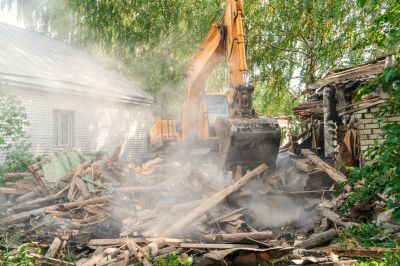 Demolition work in Panama City, FL, requires a range of specialized products designed to handle various aspects of the process safely and efficiently. From breaking down structures to removing debris, the right tools and equipment are essential for achieving effective results. Whether working on residential, commercial, or industrial projects, having access to quality demolition products can make a significant difference in the speed and safety of the operation.
Top Overall Option
Heavy-Duty Demolition Hammer
A versatile and powerful demolition hammer provides the capability to break through concrete, brick, and other tough materials. Designed for durability and ease of use, it often features adjustable settings, ergonomic handles, and vibration reduction technology to enhance safety and comfort during extended use.
Types of Products For Demolition Service
Manual Sledgehammers
Essential for breaking concrete and other hard materials manually, offering control and force for smaller demolition tasks.
Pry Bars and Crowbars
Used for prying apart structures, removing nails, and lifting debris, providing leverage and precision.
Rotary Hammers
Powerful tools ideal for drilling and chiseling into concrete, masonry, and stone surfaces.
Reciprocating Saws
Handheld saws suited for cutting through wood, metal, and drywall, especially in tight spaces.
Hydraulic Breakers
Heavy machinery attachments used to demolish large concrete structures and pavement efficiently.
Concrete Crushers
Machines designed to crush concrete debris into manageable sizes for removal or recycling.
Dust Masks and Respirators
Protective gear essential for safeguarding respiratory health during dust-intensive demolition activities.
Safety Helmets and Gloves
Personal protective equipment to prevent injuries and ensure safety on demolition sites.
Debris Containers and Dumpsters
Facilities for collecting and transporting debris generated during demolition projects.
Wrecking Bars
Heavy-duty bars used for knocking down walls and pulling apart structures.
Dust Extraction Systems
Equipment to capture and reduce airborne dust during demolition activities.
Floor Removal Tools
Specialized tools for removing flooring materials like tiles, hardwood, and vinyl.
Scaffolding and Support Equipment
Structures and supports to provide safe access and stability during demolition work.
Laser Distance Measurers
Tools for accurate measurements of spaces and structures before demolition.
Hydraulic Winches
Devices used for pulling down or moving heavy materials safely.
Popular Choices
Widely used for breaking concrete and masonry, offering substantial force with manageable operation.
Popular for their portability and versatility in cutting various materials during interior demolitions.
Commonly chosen for their power and efficiency in large-scale demolition projects.
Complete protective equipment packages that include helmets, gloves, and masks, frequently selected for safety compliance.
Trending for their ability to process debris into manageable sizes for disposal or reuse.
Popular for maintaining cleaner work environments and reducing airborne dust during demolition.
Often used for manual tearing down of structures, appreciated for their durability and leverage.
Sets that include various sizes for different prying and demolition tasks, favored for versatility.
Lightweight and easy to wear, these masks are frequently chosen for quick protective needs.
Popular for interior renovations, these tools facilitate efficient flooring removal.
Flexible and modular scaffolding options are often selected to ensure safe access during demolition.
Widely used for precise measurements to plan demolition layouts accurately.
A comprehensive demolition toolkit often includes a combination of manual tools, power equipment, and safety gear. Manual tools such as sledgehammers, pry bars, and chisels are fundamental for precise work and smaller projects. Power tools like rotary hammers, demolition drills, and reciprocating saws help tackle more substantial tasks with less physical effort. Safety equipment including helmets, gloves, eye protection, and respiratory masks ensures that workers are protected throughout the process.
Choosing the right demolition products involves understanding the scope of your project, the materials involved, and the environment in which you'll be working. For large-scale demolitions, heavy machinery such as bulldozers, excavators with hydraulic breakers, and concrete crushers are commonly used. For interior demolitions, hand tools and smaller power devices provide more control and precision. Proper planning and selecting appropriate equipment can help streamline operations and minimize hazards on-site.
In Panama City, FL, access to durable and reliable demolition products is vital for contractors and DIY enthusiasts alike. Ensuring that equipment meets safety standards and suits the specific demands of each project can facilitate smoother workflows and better outcomes. Investing in high-quality tools and adhering to safety protocols are key steps toward completing demolition tasks efficiently and securely.
Key Buying Considerations
- Assess the scale and scope of your demolition project to determine the appropriate equipment size and power.
- Prioritize safety features such as vibration reduction, ergonomic design, and safety certifications when selecting tools.
- Consider the materials involved, such as concrete, brick, or metal, to choose compatible and effective equipment.
- Evaluate the power source options—corded, cordless, or hydraulic—based on mobility needs and project duration.
- Check for durability and build quality to ensure the tools can withstand demanding demolition tasks.
- Ensure compatibility of attachments and accessories with existing equipment for versatility and cost-effectiveness.
- Review safety gear options to maintain compliance with safety standards and protect workers.
- Factor in maintenance and repair requirements to keep equipment in optimal working condition.
- Compare the availability of replacement parts and customer support for long-term reliability.
- Consider environmental conditions, such as dust and debris, and select appropriate dust control and containment solutions.
- Determine the need for lifting and hauling equipment to facilitate debris removal and site cleanup.
- Evaluate budget constraints while balancing quality and performance to select suitable products.
- Research local availability and delivery options in Panama City, FL, to ensure timely access to equipment.
- Look for user reviews and expert recommendations to inform your purchasing decisions.
- Plan for storage and transportation logistics, especially for larger machinery and safety equipment.